What if the layout of your manufacturing facility could transform your productivity overnight? The arrangement of machines and workstations isn’t just a logistical choice; it’s a strategic decision that can make or break your operational efficiency.
What You Will Learn
The significance of workflow efficiency in production layouts, enabling smoother transitions of goods.
How space optimization can lead to substantial cost savings by minimizing unnecessary movements.
The crucial role of layout in enhancing product quality through better handling processes.
Understanding how layout choices impact safety, communication, and flexibility in manufacturing operations.
Real-world case studies demonstrating measurable improvements in throughput and customer satisfaction following layout changes.
Key metrics to measure production efficiency, such as Overall Equipment Effectiveness (OEE) and Cycle Time.
Manufacturing Production Layout Impacts and Success Metrics
The following visual illustrates key improvements seen by companies after optimizing their production layouts, highlighting the benefits of different layout types and the metrics used to measure their success.
Impact of Layout Changes
✓ Workflow Efficiency
✓ Space Optimization
✓ Product Quality
✓ Production Speed
✓ Waste Reduction
Key Production Efficiency Metrics
● Overall Equipment Effectiveness (OEE)
● Cycle Time (Total production time)
● First Pass Yield (FPY - % correct first time)
Company A: Product Layout
Focused on a specific product line.
+30% Throughput Increase
Company B: Process Layout
Enabled handling of diverse products.
+20% Customer Satisfaction
Company C: Cellular Layout
Grouped machines for specific processes.
+25% Operational Efficiency
Understanding Production Layout in Manufacturing
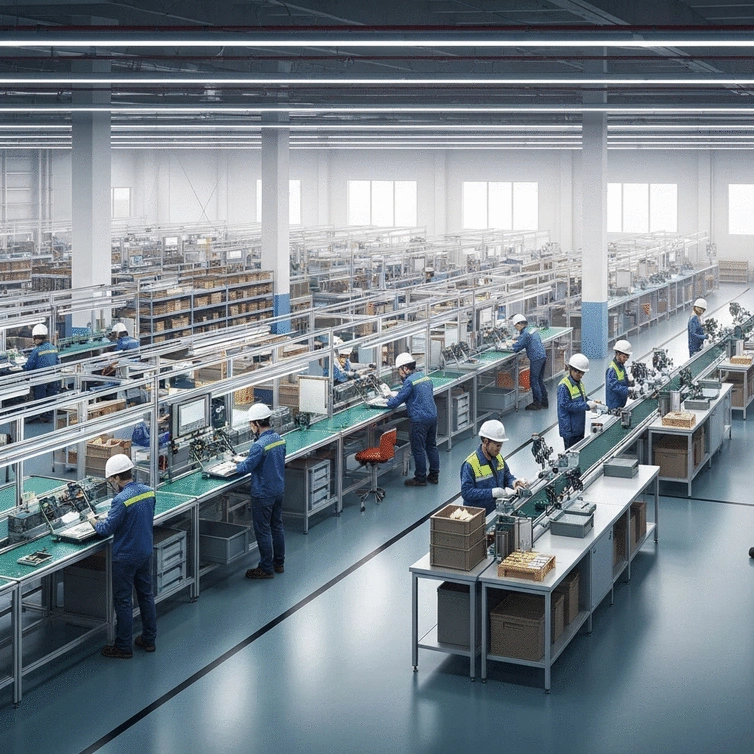
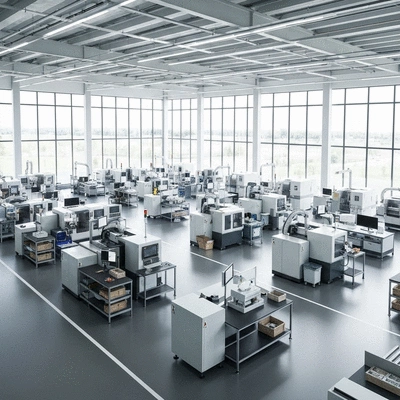
Have you ever wondered how companies manage to produce products efficiently? Understanding production layout is key to this process. A production layout refers to the arrangement of machines, equipment, and workstations within a manufacturing facility. It’s a crucial aspect that can significantly impact a company's overall efficiency and productivity.
When we talk about production layouts, we are exploring how the flow of materials and information is organized. This organization affects everything from the speed of production to the quality of the final product. In this section, let’s delve into what defines production layout and why it's vital for manufacturing success.
Defining Production Layout: Key Concepts and Importance
At its core, a production layout is the physical setup of a manufacturing operation. It can be designed in various ways depending on the nature of the manufacturing process. Here are some key concepts to keep in mind:
Workflow Efficiency: A well-designed layout enhances workflow, enabling a smoother transition of goods through the production phases.
Space Optimization: Efficient use of space can reduce unnecessary movement and save time, leading to cost savings.
Product Quality: Proper layout can lead to better quality control by minimizing handling and reducing the chances of errors.
Understanding these concepts is crucial for anyone involved in manufacturing. They serve as the foundation for making informed decisions about layout design.
The Role of Layout in Manufacturing Efficiency
The layout of a manufacturing facility directly influences its efficiency. A good layout can improve production speed and reduce waste, which is essential for maintaining competitiveness in today's market. Consider how layout decisions can affect:
Safety: A well-organized space reduces the risk of accidents and keeps employees safe.
Communication: An effective layout can enhance communication among teams, fostering collaboration and quick problem-solving.
Flexibility: A thoughtful layout can adapt to changes in production demands, allowing businesses to pivot as needed.
Recognizing the role of layout in manufacturing efficiency can help businesses optimize their operations. In the following sections, we'll explore various types of production layouts and their specific benefits and challenges, allowing you to make better decisions for your manufacturing processes.
Pro Tip
To enhance the efficiency of your production layout, consider implementing lean manufacturing principles. This approach focuses on minimizing waste while maximizing productivity. By regularly reviewing your layout and involving your team in the decision-making process, you can identify bottlenecks and streamline operations, leading to significant improvements in both speed and quality.
Evaluating the Impact of Production Layouts on Manufacturing Success
Understanding the impact of different production layouts is essential for any manufacturing facility aiming for efficiency and profitability. At The Homeowner's Compass, we believe in using real-world examples to illustrate how layout choices can significantly affect outcomes. By examining the results from various companies, we can identify trends and draw valuable lessons to enhance our own practices.
One of the most effective ways to assess the success of a production layout is through metrics-driven analysis. This involves looking at key performance indicators (KPIs) such as return on investment (ROI) and throughput gains after implementing a new layout. This not only helps in understanding immediate benefits but also aids in long-term strategic planning.
Real-World Case Studies: Metrics-Driven Results of Different Layout Types
When evaluating production layouts, it's helpful to consider case studies that showcase the measurable differences made by layout changes. Here are some example scenarios that highlight the effectiveness of different layouts:
Company A: Switched to a product layout and saw a 30% increase in throughput, leading to faster order fulfillment.
Company B: Implemented a process layout, which allowed them to handle a broader range of products, resulting in a 20% rise in customer satisfaction.
Company C: Moved to a cellular layout and reported a significant reduction in lead times, achieving a 25% improvement in operational efficiency.
These examples illustrate how different layouts can yield tangible improvements in productivity and customer satisfaction. By evaluating similar metrics in your own facility, you can gain insights into which layout might be best for your operations.
Analyzing ROI and Throughput Gains from Layout Changes
Calculating the ROI from changes in your production layout can provide crucial insight into your manufacturing process. For instance, companies that transition to layouts designed for efficiency often see quicker returns on their investments. Here’s how to approach your ROI analysis:
Gather baseline data on production rates and costs before implementing changes.
After the new layout is in place, continuously measure production rates and expenses.
Compare the data to determine if the layout change has positively impacted your ROI.
By following these steps, you can quantify the benefits of your layout decision and make informed choices moving forward.
Production Efficiency Metrics: Measuring Success Across Layout Types
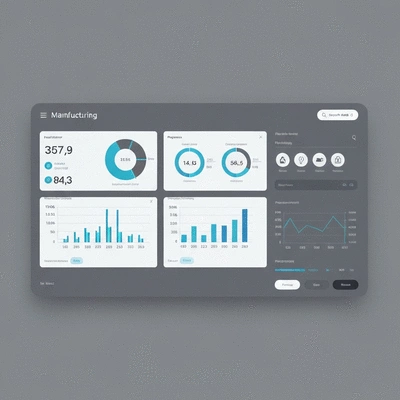
To truly measure the success of any production layout, it’s essential to track specific metrics consistently. Common production efficiency metrics include:
Overall Equipment Effectiveness (OEE): This measures how well a manufacturing operation is utilized compared to its full potential.
Cycle Time: The total time taken to produce a product, from start to finish.
First Pass Yield (FPY): The percentage of products manufactured correctly the first time without rework.
Utilizing these metrics can help you gauge which layout is working best for your facility and where adjustments might be needed. Remember, effective evaluation leads to continuous improvement!
Recap of Key Points
Here is a quick recap of the important points discussed in the article:
Workflow Efficiency: A well-designed production layout enhances the workflow, facilitating smoother transitions of goods.
Space Optimization: Efficient use of space minimizes unnecessary movement, saving time and reducing costs.
Product Quality: Proper layout design improves quality control by minimizing handling errors.
Safety: An organized layout reduces the risk of accidents and promotes a safer work environment.
Communication: Effective layouts enhance communication among teams, aiding collaboration and problem-solving.
Flexibility: A thoughtful layout can adapt to production demand changes, allowing for agile business operations.
Metrics-Driven Analysis: Use KPIs to evaluate the impact of layout changes on ROI and overall productivity.
Frequently Asked Questions (FAQs)
What is a production layout?
A production layout refers to the physical arrangement of machines, equipment, and workstations within a manufacturing facility, designed to optimize the flow of materials and information.
How does production layout impact efficiency?
A well-designed production layout can significantly improve workflow efficiency, reduce unnecessary movement, enhance product quality by minimizing handling, increase production speed, and reduce waste. It also contributes to better safety, communication, and flexibility in operations.
What are some key metrics to measure production efficiency?
Key metrics include Overall Equipment Effectiveness (OEE), which measures how well equipment is utilized; Cycle Time, which is the total time to produce a product; and First Pass Yield (FPY), which measures the percentage of products correctly made the first time.
Can different types of layouts lead to different benefits?
Yes, different layouts are suited for different goals. For example, a product layout might increase throughput, a process layout can improve customer satisfaction by handling diverse products, and a cellular layout can boost operational efficiency by grouping machines for specific processes.
What is the importance of a metrics-driven analysis for layout changes?
A metrics-driven analysis, using KPIs like ROI and throughput gains, is crucial for assessing the success of a new layout. It helps quantify benefits, justify investments, and inform long-term strategic planning for continuous improvement.
At The Homeowner's Compass, we are dedicated to empowering families and downsizers with practical homeownership solutions. Our mission is to provide clear, actionable advice and foster financial literacy for making smart investments in your living space.



Understanding Commercial Warehouse 3D Scans
Explore Industrial Real Estate Virtually
Understanding Pointcloud 3D Data
Site Measuring for Architects Explained
Understanding LiDAR Technology Basics