
Improved Accuracy & Risk Reduction
Effective site measurement ensures designs are rooted in reality, significantly reducing costly errors, delays, and compliance issues with building codes and zoning regulations.
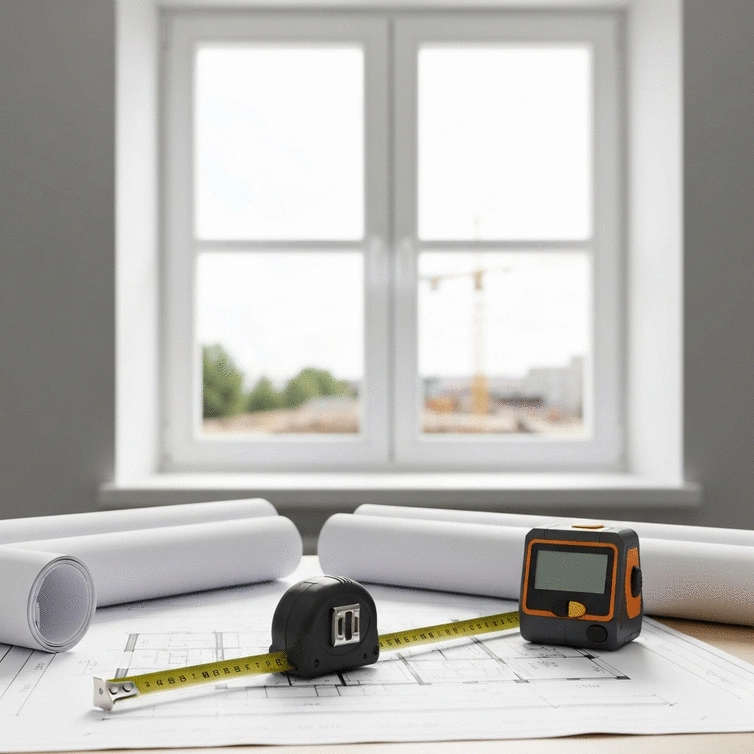
What if the success of your architectural project hinged on a simple yet crucial step? Site measurement could be that key element that transforms your vision into a flawless reality, ensuring that your designs resonate with actual conditions on the ground.
Precision in site measurement is the bedrock of successful architectural projects. It reduces risks, enhances design, and builds client trust. Below, explore the core advantages that architects gain from mastering this essential skill.
Effective site measurement ensures designs are rooted in reality, significantly reducing costly errors, delays, and compliance issues with building codes and zoning regulations.
Clients gain trust when projects are based on reliable, precise data, leading to greater satisfaction and a stronger professional reputation.
Accurate measurements lead to more efficient workflows, better resource allocation, and smoother project management from conception to completion.
In the world of Architects Site Measure is a critical step that lays the foundation for successful projects. This process involves accurately measuring and analyzing a site to ensure all designs align with real-world conditions. Without precise measurements, even the most creative designs can falter, leading to costly mistakes or project delays. So, let's dive into what makes site measurement so important for architects!
Effectively understanding site measurement not only helps in creating functional designs but also allows architects to navigate potential challenges that may arise during construction. It’s essential for ensuring that buildings are safe, compliant, and suited to their environment. By mastering this skill, architects can significantly enhance the quality of their work and client satisfaction.
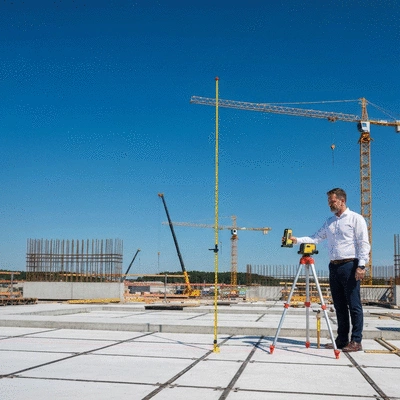
Site measurement in architecture refers to the process of collecting quantitative data about a specific plot of land or existing structures. This includes identifying dimensions, topography, and any existing features that could impact proposed designs. Utilizing precise site measurement techniques allows architects to create detailed plans that reflect the actual conditions on the ground.
By gathering this data, architects can create accurate blueprints that ensure the design is both feasible and practical. This foundational step is often the difference between a project that runs smoothly and one that encounters significant hurdles.
Effective site measurement provides a myriad of benefits for architects, enhancing both the design process and overall project outcomes. Firstly, it ensures that all designs are based on reality, which is crucial for avoiding costly renovations later. Additionally, accurate measurements help with compliance to local building codes and zoning regulations, thereby minimizing legal risks.
Moreover, by leveraging modern technology for site measurement, such as drones and 3D scanning, architects can achieve unparalleled accuracy. This not only boosts the quality of the work but also enhances the firm's reputation, making it a leader in the competitive landscape of architecture.
When it comes to achieving accurate building measurements, several techniques stand out. Utilizing these methods ensures that architects can effectively translate their visions into realistic designs. Here are some key techniques to consider:
Employing these techniques not only provides accuracy but also streamlines the workflow. By integrating technology into the measurement process, architects can focus more on creative aspects, knowing that the foundation of their work is solid.
To enhance the accuracy of your site measurements, consider incorporating drone technology into your workflow. Drones can quickly capture aerial measurements and provide a comprehensive view of the landscape, which can help you identify potential challenges and opportunities that might not be visible from ground level.
Site measurement in architecture is the process of collecting precise quantitative data about a plot of land or existing structures, including dimensions, topography, and existing features. This data is crucial for creating accurate designs that align with real-world conditions.
Accurate site measurement is vital for several reasons: it improves design accuracy, reduces costly errors and delays, ensures compliance with building codes and zoning regulations, enhances client trust, and streamlines overall project execution.

Key techniques include laser scanning for precise and rapid data capture, total stations for high-precision measurements, and photogrammetry for creating detailed 3D models from photographs. Drone technology can also enhance accuracy by providing comprehensive aerial views.
Effective site measurement significantly reduces the risk of costly errors, unexpected surprises, and delays. By basing designs on accurate data, architects can prevent budget overruns and ensure smoother project management from conception to completion.
Architects can improve their online presence by investing in an SEO-optimized website, creating engaging content, utilizing social media platforms to connect with their audience, and regularly updating their website with fresh content and project updates.
As we wrap up our discussion, it’s clear that effective Architects Site Measure is crucial for architects looking to thrive in today's competitive landscape. By understanding and applying precise measurement techniques, you can enhance your design accuracy, improve client satisfaction, and streamline project management. Here are some key benefits that highlight the importance of effective site measurement:
Focusing on these benefits not only elevates your architectural practice but also positions you as a reliable partner in the eyes of your clients. It's about building a foundation of trust through transparency and precision!
In an age where digital presence is paramount, architects must prioritize their online visibility to attract potential clients. Here are essential takeaways to enhance your firm’s online presence:
Implementing these strategies will not only help in drawing traffic but also in establishing your firm as an authority in the architectural field!
Now that we’ve established the importance of site measurement, it’s time to take action! Implementing effective strategies can truly transform how your architecture firm operates and interacts with clients.
Architecture is an evolving field, and staying current is vital. I encourage you to embrace a mindset of continuous learning. Regularly seek out workshops, webinars, and courses focused on the latest trends in site measurement and design technology. This not only sharpens your skills but also positions your firm as a leader in innovation!
For architects looking to deepen their understanding of SEO best practices, consider exploring the following resources:
These resources can equip you with the knowledge needed to enhance your online presence and attract more clients!
Finally, a firm grasp of building codes and zoning regulations is essential for ensuring project success. Knowing these rules helps you navigate legal requirements and avoid potential setbacks. I recommend staying informed about local regulations and considering them during your site measurement processes. This proactive approach ensures compliance and fosters smoother project execution.
By incorporating these strategies, you’ll not only optimize your site measurements but also enhance your overall practice. Let’s get started on this exciting journey of growth and innovation!
Here is a quick recap of the important points discussed in the article:
Understanding Pointcloud 3D Data

As 3D technology reshapes our understanding of physical spaces, mastering 3D point cloud data is mor
Site Measuring for Architects Explained
What if the success of your architectural project hinged on a simple yet crucial step? Site measurem
Understanding LiDAR Technology Basics

Curious about how technology is reshaping our understanding of the environment and our homes? LiDAR,

Understanding Pointcloud 3D Data
Site Measuring for Architects Explained
Understanding LiDAR Technology Basics
Understanding Production Layout Basics
Capturing Real Estate Through Video