
Key Concept:
Point Clouds
Millions of data points representing a physical object's surface.
Key Concept:
BIM Models
Digital representations with functional characteristics for planning.
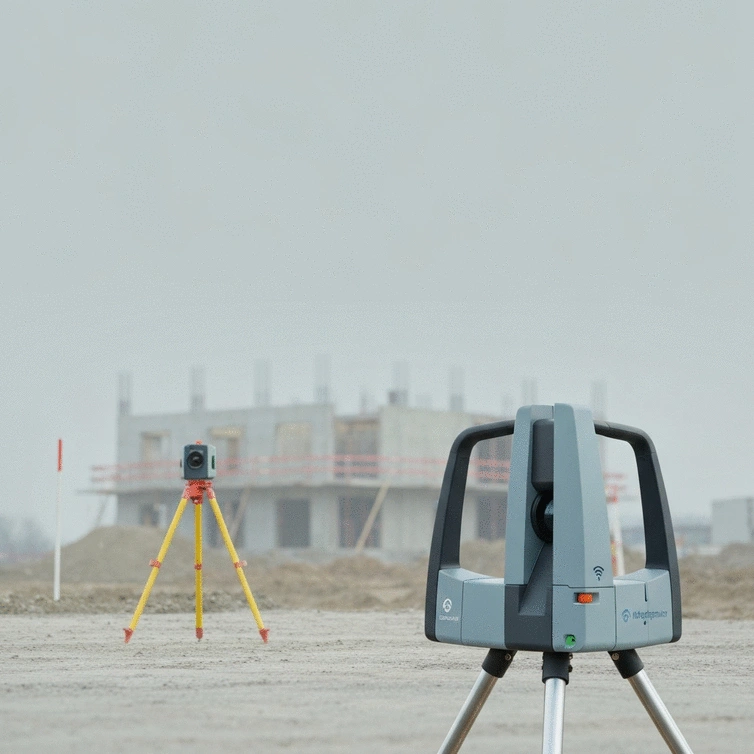
In a world where technology shapes our living spaces, understanding how 3D laser scanning can enhance home renovations is crucial. Are you ready to explore the transformative effects of this innovative technology?
Delve into the core concepts and benefits of 3D Laser Scanning, showcasing its diverse applications and significant advantages across various industries.
Millions of data points representing a physical object's surface.
Digital representations with functional characteristics for planning.
3D laser scanning is a revolutionary technology that captures precise measurements of physical objects and environments. By using laser beams to create detailed three-dimensional representations, it opens up a world of possibilities across various industries. This innovative technique enables professionals to gather data quickly and accurately, significantly enhancing their workflow and the quality of their deliverables.
As a homeownership advocate, I've seen firsthand how technology can transform the way we plan and execute renovations. For homeowners considering structural changes or expansions, understanding 3D laser scanning can enhance the decision-making process, ensuring your investments yield the best results!
At its core, 3D laser scanning involves capturing the geometric shape of physical objects through laser technology. The resulting data, often referred to as a point cloud, consists of millions of points that represent the surface of the scanned object. This data can then be used to create detailed BIM models (Building Information Modeling), which are essential for planning, design, and construction.
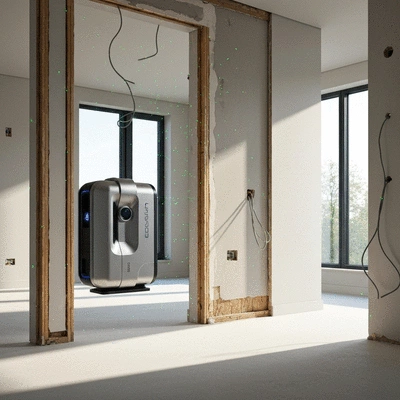
These tools empower homeowners and builders alike to visualize projects in a detailed manner, ensuring everyone is on the same page. The precision of these models helps avoid costly mistakes and reworks that can arise from traditional methods.
Understanding point clouds and BIM models is crucial for anyone involved in home renovations or construction. A point cloud provides a highly accurate representation of a space, capturing every detail, while a BIM model takes it further by adding layers of information such as materials, costs, and timelines. Together, they create a comprehensive picture that enhances project planning.
For instance, when working with contractors, these models can clarify the scope of your project, making it easier to communicate your vision and budget effectively. Have you ever wished you could visualize how a new room will look before making any major commitments? With 3D laser scanning, that dream is now a reality!
LiDAR (Light Detection and Ranging) is a key component of 3D laser scanning, utilizing laser light to measure distances and create detailed maps of environments. Its ability to capture high-resolution data makes it invaluable for applications ranging from topographical surveys to urban planning. By integrating LiDAR technology, scanning can be performed over large areas and with remarkable accuracy, which is particularly useful for constructing larger developments.
For families considering renovations, understanding how LiDAR contributes to 3D scanning can lead to more informed decisions about project scope and feasibility. It’s all about leveraging technology to enhance your living space efficiently.
3D laser scanning has applications that extend beyond construction and architecture. Its versatility allows it to impact various industries, enhancing accuracy and efficiency in processes. From manufacturing to healthcare, the benefits of this technology are hard to overlook.
As a homeowner, embracing these advancements can save time and reduce costs, ultimately leading to a smoother renovation experience. It's fascinating how technology can foster better communication and collaboration among all parties involved!
In the construction and architecture sectors, accurate measurements are fundamental. 3D laser scanning provides detailed insights into existing structures, which help architects and builders plan renovations with confidence. When planning a renovation, it’s essential to know exactly what you're working with—this technology removes the guesswork!
For example, a homeowner seeking to add an extension can utilize 3D scanning to assess the current layout and ensure the new addition integrates seamlessly with existing elements. Imagine being able to visualize the entire project before the first nail is hammered!
Geospatial technology relies heavily on accurate data collection and analysis to inform decisions in urban planning, environmental studies, and disaster management. 3D laser scanning aids this process by providing precise measurements of terrain and structures, which can be invaluable for data-driven decisions.
Homeowners can use this information to understand how their property fits into the larger context of their community. Are you considering a renovation that could impact local infrastructure? Understanding these elements can be key to making informed choices!
In manufacturing, 3D laser scanning optimizes production lines by allowing for precise quality control and process improvements. Similarly, in healthcare, it assists in creating custom prosthetics and planning complex surgeries, ensuring better outcomes for patients. The adaptability of this technology showcases its potential to influence sectors vital to our everyday lives.
Whether you're looking to renovate your home or simply interested in the evolving landscape of technology, understanding the breadth of 3D laser scanning applications can inspire confidence in your next steps!
When considering 3D laser scanning for your renovation project, remember to involve your contractor early in the process. Sharing the high-resolution models can lead to more accurate quotes and better planning, ultimately saving you both time and money!
As we delve into the value of 3D laser scanning, it's essential to recognize how this technology can transform the way businesses operate. By investing in 3D laser scanning, companies can achieve unparalleled accuracy in their measurements, improving project outcomes and reducing costly mistakes. This technology doesn't just streamline processes; it empowers teams to make informed decisions based on precise data.
Moreover, implementing 3D laser scanning can lead to significant cost savings over time. With its ability to create detailed models and streamline workflows, businesses often find that the initial investment pays off quickly through increased efficiency. So, what are the standout benefits of this technology? Let's summarize:
These benefits make it clear why businesses should seriously consider 3D laser scanning as part of their operational toolkit. Moving forward, let’s explore how to get started with this innovative technology.
If you're considering diving into the world of 3D laser scanning, it can feel overwhelming at first. But rest assured, there are plenty of resources available to help you on your journey! Here are some actionable steps to get you started:
Additionally, understanding the importance of measurement accuracy and quality control is crucial in ensuring successful scanning projects. Implementing best practices for these aspects can significantly enhance the reliability of your data collection. Don’t hesitate to reach out to us at The Homeowner's Compass if you need tailored advice on integrating 3D laser scanning into your operations!
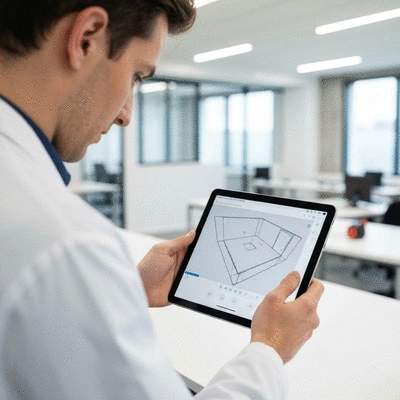
We believe that sharing knowledge and experiences can tremendously benefit our community. If you’ve tried 3D laser scanning or are considering it, we’d love to hear about your journey! Your insights could help others navigate their own paths.
At The Homeowner's Compass, we’re committed to guiding you through the complexities of modern homeownership and technology integration. If you're looking for personalized solutions or have questions, don't hesitate to reach out! Let’s work together to unlock the full potential of 3D laser scanning for your projects.
Here is a quick recap of the important points discussed in the article:
Understanding Pointcloud 3D Data

As 3D technology reshapes our understanding of physical spaces, mastering 3D point cloud data is mor
Site Measuring for Architects Explained
What if the success of your architectural project hinged on a simple yet crucial step? Site measurem
Understanding LiDAR Technology Basics
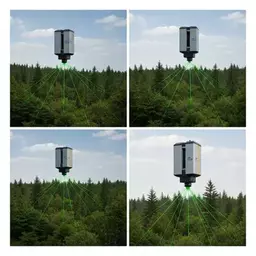
Curious about how technology is reshaping our understanding of the environment and our homes? LiDAR,
Understanding Pointcloud 3D Data
Site Measuring for Architects Explained
Understanding LiDAR Technology Basics
Understanding Production Layout Basics
Capturing Real Estate Through Video