
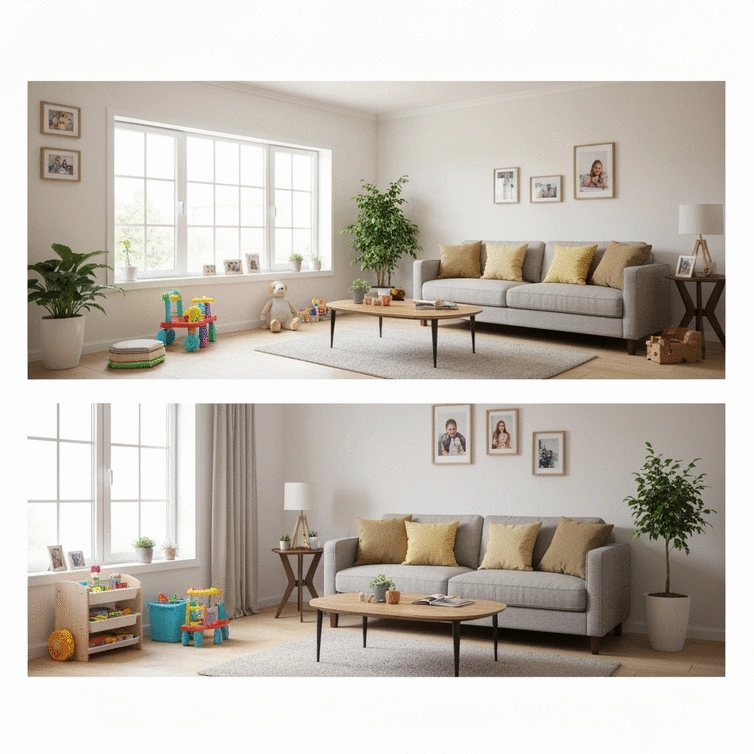
Family-Friendly Home Layout Tips
What if your home layout could transform your family's daily life? The right design not only enhances comfort but also fosters connections within your household and community. As you explore family-friendly home layouts, keep these essential lessons in mind.
What You Will Learn
- Family-friendly layouts prioritize ample space for play and gatherings.
- Functional design enhances daily routines by positioning key areas like kitchens and dining rooms near each other.
- Smooth flow between rooms minimizes obstructions, allowing family members to move freely.
- In suburban and rural contexts, home designs should encourage community engagement and outdoor activities.
- Access to local parks and schools is crucial for fostering family-friendly environments.
- Incorporating outdoor spaces can enhance well-being and strengthen family bonds.
Key Elements of Family-Friendly Home Layouts
Families require thoughtful home designs, particularly in suburban and rural settings. Below are the core aspects that define a great family-friendly home.
Ample Space: For Play & Gatherings
Sufficient room for children to play freely and for families to host gatherings comfortably, fostering connection.
Functional Design: Supports Daily Routines
Thoughtful room arrangements, like kitchen near dining, streamline daily activities and enhance usability for all.
Seamless Flow: Easy Transitions
Unobstructed movement between rooms, ensuring ease and comfort for all family members as they navigate the home.
Outdoor Living: Connecting to Nature
Integration with outdoors via porches, patios, or gardens, enhancing well-being and community interaction in suburban/rural settings.
Understanding Family-Friendly Home Layouts for Suburban and Rural Living
When we think about the perfect home for our families, it's essential to consider what makes a layout truly family-friendly. A home that caters to the needs of families often emphasizes space, functionality, and flow. It's about creating an environment where everyone feels comfortable and connected.
Family-friendly home layouts typically include open spaces for interaction, separate areas for privacy, and thoughtful designs that allow for easy movement between rooms. Each feature contributes to a harmonious living experience, making daily activities smoother and more enjoyable. As the U.S. Department of Housing and Urban Development (HUD) notes, good home design can significantly impact the quality of life for residents, including accessibility features for all family members.
Defining Family-Friendly Home Layouts
In defining what makes a home layout family-friendly, several characteristics come to mind:
- Ample Space: Enough room for kids to play and for family gatherings.
- Functional Design: Thoughtful room placements that support daily routines, like having the kitchen near the dining area.
- Flow: An easy transition between rooms, ensuring that family members can move around without obstruction.
These elements work together to create an inviting atmosphere, allowing families to thrive and enjoy their time together. As a homeowner myself, I’ve seen firsthand how important these features are in building lasting memories.
Why Suburban and Rural Contexts Matter
Living in suburban or rural areas offers unique opportunities that can significantly influence home design. With communities that often celebrate outdoor living and social interaction, it's vital to consider how your home fits into this lifestyle.
- Community Engagement: Suburban and rural settings foster a sense of community, making designs that encourage outdoor activities and neighborly connections essential.
- Accessibility: Homes should be designed to accommodate easy access to local parks, schools, and community centers.
- Outdoor Lifestyle: Emphasizing outdoor spaces like porches, patios, and gardens can enhance family life and promote well-being. For example, Purdue Extension highlights the importance of home landscape design in enhancing family well-being and improving property value.
In these settings, a family-friendly layout isn’t just about the home itself; it’s about how it connects to the wider community and natural environment. As someone who values these connections, I understand how important it is to create a home that complements your family’s lifestyle and the beauty of suburban or rural living. Home safety is also a crucial aspect of family-friendly design, as detailed by HealthyChildren.org, ensuring spaces are secure for children.
We Want to Hear From You!
What features do you consider essential in a family-friendly home layout? Share your thoughts below:
Frequently Asked Questions About Family-Friendly Home Layouts
What are the key elements of a family-friendly home layout?
The key elements include ample space for play and gatherings, functional design to support daily routines (e.g., kitchen near dining), and seamless flow between rooms for easy movement.
How do suburban and rural contexts influence family-friendly home design?
Suburban and rural settings emphasize community engagement and outdoor living. Designs should encourage connections with neighbors, provide easy access to local amenities like parks and schools, and incorporate outdoor spaces such as porches and gardens.
Why is "flow" important in a family-friendly home?
Smooth flow between rooms ensures easy and unobstructed movement for all family members, making daily activities more efficient and the home more comfortable to navigate.
What role do outdoor spaces play in family-friendly homes?
Outdoor spaces like porches, patios, and gardens enhance family well-being, promote connection to nature, and encourage community interaction, which is particularly valued in suburban and rural areas.
What should I consider when choosing a home layout for my family?
Consider your family's lifestyle, how you use shared versus private spaces, the functionality of room placements, accessibility to community resources, and how the design integrates with outdoor living.
Final Thoughts on Family-Friendly Home Layouts
Choosing the right home layout is crucial for families, especially in suburban and rural settings. A family-friendly design ensures that everyone has the space they need to thrive, while also fostering togetherness and comfort. From open floor plans that encourage interaction to functional spaces that cater to all age groups, the layout you select can significantly impact your family's daily life.
In these unique environments, considerations like community engagement and outdoor accessibility become even more important. A well-thought-out home layout not only reflects your family's needs but also enhances your connection to the surrounding area. The right design can create an inviting atmosphere that promotes lasting relationships with neighbors and friends, turning your house into a true home.
Take Action for Your Family's Future Home
Now is the perfect time to visualize your ideal family home layout! Think about what features matter most to you and your loved ones. Would you prefer a cozy country-style home with spacious porches, or perhaps a more modern ranch-style layout that caters to easy accessibility? Whatever your vision, it’s time to take the next steps in planning it out.
- Explore local builders who specialize in family-friendly designs.
- Research home plans that match your family's lifestyle and preferences.
- Consider scheduling a design consultation to discuss your ideas in detail.
As the founder of The Homeowner's Compass, I've seen firsthand how a thoughtful approach to home design can transform lives. Don't hesitate to reach out for guidance as you embark on this exciting journey toward creating a home that suits your family's unique needs. Together, we can bring your vision to life!
Recap of Key Points
Here is a quick recap of the important points discussed in the article:
- Ample Space: Ensure there is enough room for kids to play and for family gatherings.
- Functional Design: Design should support daily routines, such as having the kitchen near the dining area.
- Flow: Create an easy transition between rooms for unobstructed movement.
- Community Engagement: Design should foster connections with neighbors and encourage outdoor activities.
- Accessibility: Homes should provide easy access to local parks, schools, and community centers.
- Outdoor Lifestyle: Incorporate outdoor spaces like porches and gardens to enhance family life.



Understanding Pointcloud 3D Data
Site Measuring for Architects Explained
Understanding LiDAR Technology Basics
Understanding Production Layout Basics
Capturing Real Estate Through Video