
Challenges to Rural Homeownership
- Limited access to services
- Higher maintenance demands
- Difficulty accessing emergency services
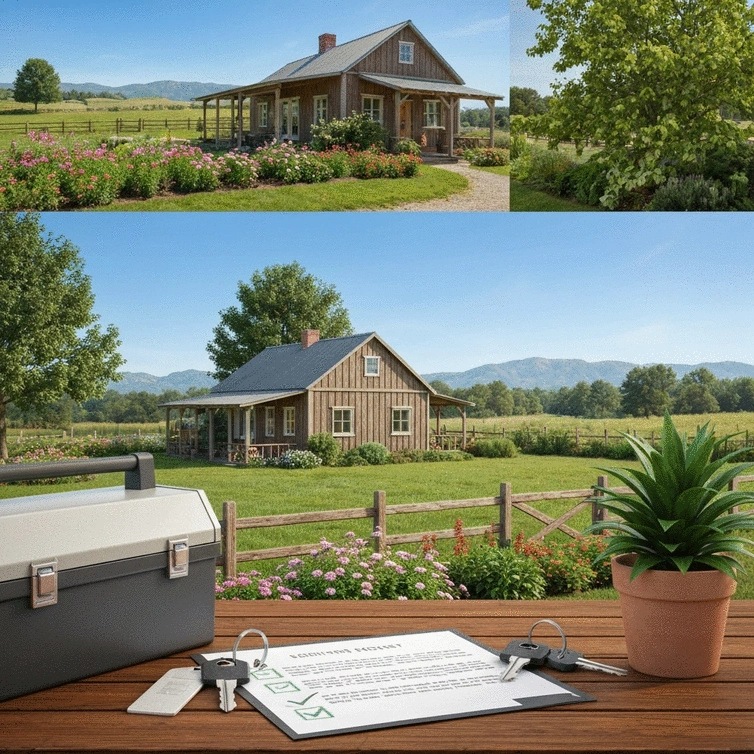
What if your dream home was nestled amid rolling hills or dense forests? Rural living offers a unique charm, but it also comes with challenges that every aspiring homeowner should be prepared for. Understanding these complexities can help you thrive in a rural setting.
Rural homeownership presents unique challenges and opportunities compared to urban living. The visual below highlights the key areas that define rural homeownership, from challenges to strategic benefits.
Owning a home in a rural area can be a truly rewarding experience! However, it also comes with its own unique set of challenges. From understanding the vast landscapes to managing seasonal changes, practical homeownership in these settings requires a solid grasp of the specific hurdles that come with rural living.
Some common challenges include limited access to services, potential isolation from urban amenities, and the need for increased self-sufficiency. As someone who has navigated these waters, I'm here to shed light on how we can make the most out of rural homeownership!
Rural homeowners often face a variety of challenges that urban dwellers may not encounter. The first hurdle is usually access to resources. Whether it's finding contractors, obtaining building permits, or accessing reliable internet, these issues can feel compounded by distance and availability. A recent report highlights some of the specific challenges rural homeowners face in areas like Eastern Kentucky, emphasizing concerns such as limited local service providers and higher maintenance demands.
Furthermore, understanding the local real estate market can be tricky. It's crucial to research local trends and connect with other homeowners to gather insights and experiences. This community can be a great resource for navigating the complexities of rural homeownership!
Seasonal maintenance is not just a recommendation; it’s a necessity for rural properties. With changing weather conditions, your home can face different challenges throughout the year. Proper seasonal upkeep ensures that your home remains safe and comfortable, while also helping you avoid costly repairs down the line.
By developing a seasonal maintenance plan, you can proactively address issues before they escalate. Plus, it gives you peace of mind knowing your home is ready for whatever Mother Nature throws at it!
For those considering a move to the countryside, understanding your mortgage options is vital. Rural buyers often have access to specific loan programs that can help make homeownership more affordable. Programs like the USDA Rural Development Loan offer competitive rates and can be a game-changer for many families. The USDA's year-end housing activity report provides valuable insights into the impact of these programs.
Taking the time to consult with a knowledgeable lender can help you navigate these options and find the perfect fit for your financial situation. Every little bit of knowledge helps pave the way towards making informed decisions about your dream rural home!
As we explore the nuances of rural homeownership, we want to hear from you! What aspect of rural living do you find most challenging?
As a homeowner in a rural area, maintaining your property can often feel like a unique adventure. It's crucial to adopt practical strategies that not only enhance your living space but also ensure its longevity. By focusing on seasonal and preventative care, you can effectively tackle the challenges that come with rural living. This proactive approach not only saves you money in the long run but also creates a safer and more enjoyable home environment.
Remember, putting time into seasonal maintenance helps prevent larger issues down the road. From winterizing your home to prepping your garden for spring, these small tasks contribute to the overall health of your property!
Implementing a consistent seasonal maintenance routine is essential for every rural homeowner. Here’s a quick checklist to guide you:
By focusing on these aspects, you're reinforcing not only the safety but also the comfort of your home. Regular upkeep prevents small problems from escalating and helps keep your living space welcoming for family and friends.
Living in a rural environment often lends itself to a more self-sufficient lifestyle. Embracing practices that promote sustainability can enhance your independence and reduce reliance on outside resources. Here are some key areas to consider:
When we cultivate these habits, we not only contribute to our well-being but also support our environment. I’ve found that these changes not only boost my family's resilience but also strengthen our connection to the land. It’s about creating a lifestyle that aligns with our values and responsibilities as homeowners!
Homesteading is an emerging trend that brings numerous benefits to rural living. This lifestyle emphasizes self-sufficiency and a connection to nature. Here’s why you might want to consider it:
As I’ve explored homesteading, I’ve discovered how empowering it can be to produce your own food and learn new skills. This journey fosters a sense of pride and accomplishment that is hard to replicate in more urban settings. Plus, it brings families closer together as you tackle projects and share in the rewards!
Here is a quick recap of the important points discussed in the article:
Understanding Pointcloud 3D Data

As 3D technology reshapes our understanding of physical spaces, mastering 3D point cloud data is mor
Site Measuring for Architects Explained

What if the success of your architectural project hinged on a simple yet crucial step? Site measurem
Understanding LiDAR Technology Basics
Curious about how technology is reshaping our understanding of the environment and our homes? LiDAR,

Understanding Pointcloud 3D Data
Site Measuring for Architects Explained
Understanding LiDAR Technology Basics
Understanding Production Layout Basics
Capturing Real Estate Through Video