
Zoning Classifications
Familiarize yourself with classifications like RR-1 and A-2 to understand what you can and cannot do.

Understanding zoning regulations is vital for rural homeowners. These laws shape how land can be used, influencing not only your property but the surrounding community. By staying informed, you can make empowered decisions that align with your goals.
Understanding zoning classifications and their requirements is crucial for any rural property owner. This visual summarizes the most important points to consider for effective property planning.
Familiarize yourself with classifications like RR-1 and A-2 to understand what you can and cannot do.
Be aware of minimum lot sizes and setback requirements that apply to your zoning area.
Understand height restrictions and coverage limits to avoid potential issues down the line.
Know when you might need a conditional use permit and the specific criteria that apply.
As you navigate the journey of rural homeownership, understanding zoning regulations is crucial. These regulations dictate how land can be used and developed, shaping everything from residential layouts to agricultural practices. At The Homeowner's Compass, I believe that staying informed about these rules empowers you to make better decisions for your property and future. Let’s dive into what zoning regulations are and why they hold such significance in rural communities.
Zoning regulations are laws established by local governments that determine how land in a specific area can be used. They are essential because they help ensure that developments are compatible with surrounding properties and maintain the character of the neighborhood. This means that if you’re planning to build or renovate your home, understanding these regulations will help you avoid potential issues down the line. You can often get zoning information directly from your local planning department.
Being aware of these aspects can guide you in making informed decisions regarding your property. Whether you're considering a major renovation or a simple addition, acknowledging the zoning laws relevant to your home is vital!
Rural property planning is about creating a vision for how to best utilize your land while adhering to zoning laws. It involves considering the layout, type of structures, and the overall purpose of the land. Effective planning requires careful research and understanding of local regulations, making it easier for homeowners to achieve their goals. For more detailed information, you can explore various land use control resources provided by government agencies.
By aligning your plans with local zoning regulations, you can create a harmonious balance that benefits both your family and the community.
Local governments play a pivotal role in shaping zoning laws and land use planning. They establish these regulations based on community needs, environmental considerations, and future growth projections. Understanding this influence is key for homeowners, as it helps to clarify why certain restrictions or allowances exist. Many jurisdictions publish their zoning regulations online, making them accessible for public review.
Being aware of these dynamics can empower you as a homeowner. Engaging with local government initiatives and participating in community discussions can make a significant difference in shaping the future of your rural area!
When researching zoning regulations, consider reaching out to your local zoning office for guidance. They can provide specific insights into your area’s regulations and may even offer resources or workshops to help you better understand the zoning process. Networking with neighbors who have navigated similar challenges can also provide incredibly valuable firsthand experience!
As we wrap up our exploration of rural zoning and land use regulations, it’s essential to highlight the key takeaways that can significantly aid in your property planning journey. Understanding zoning classifications and their requirements is crucial for any rural property owner. Here’s a recap of the most important points:
By grasping these concepts, you will be better equipped to navigate the complexities of rural property ownership and ensure that your plans align with local regulations.
Navigating the world of zoning and land use regulations can feel overwhelming at times, but with the right information and support, it doesn’t have to be! At The Homeowner's Compass, I believe that knowledge truly is power. Engaging with your local government and understanding the specific regulations that apply to your property can lead to successful development and, ultimately, a more fulfilling homeownership experience.
Remember, the landscape of rural zoning isn’t just about following rules; it’s about creating a space that resonates with your vision for your home and lifestyle. So, take the time to ask questions and seek guidance as you plan your rural development.
To empower yourself further in the realm of rural property planning, consider utilizing various tools and resources available online. Joining communities focused on zoning can also provide you with up-to-date information and support from others who understand the challenges you may face.
There are several valuable tools and resources available that can aid in your zoning navigation. Here are a few to consider:
By leveraging these resources, you can stay informed and make empowered decisions regarding your rural property.
I encourage you to join our community at The Homeowner's Compass. By subscribing to our blog, you’ll gain access to ongoing insights, tips, and support that can guide you through the complexities of homeownership. Together, we can navigate the challenges and celebrate the successes of rural property ownership!
Let’s embark on this journey towards informed decision-making and empowered homeownership together. Your dream home is just a well-planned zoning application away!
Here is a quick recap of the important points discussed in the article:
Understanding Pointcloud 3D Data

As 3D technology reshapes our understanding of physical spaces, mastering 3D point cloud data is mor
Site Measuring for Architects Explained
What if the success of your architectural project hinged on a simple yet crucial step? Site measurem
Understanding LiDAR Technology Basics
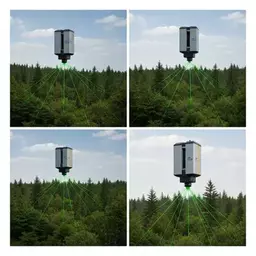
Curious about how technology is reshaping our understanding of the environment and our homes? LiDAR,

Understanding Pointcloud 3D Data
Site Measuring for Architects Explained
Understanding LiDAR Technology Basics
Understanding Production Layout Basics
Capturing Real Estate Through Video