Creating a home that evolves with your needs is not just a renovation; it's a journey towards long-term comfort and independence. With the right improvements, your living space can become a sanctuary that supports you and your family for years to come.
What You Will Learn
The importance of aging-in-place renovations for enhancing comfort and safety in your home.
Key features to implement, such as wider doorways and non-slip flooring, to prevent falls and enhance accessibility.
How to create accessible bathrooms with features like curbless showers and raised toilets for added safety.
The benefits of open floor plans and motion-sensor lighting to improve mobility and safety throughout your home.
How thoughtful renovations can boost your home's resale value while ensuring comfort for current occupants.
Understanding the financial aspects of aging-in-place renovations and the importance of budgeting for future needs.
Aging-in-Place Renovation Features Overview
This visual summarizes key features for aging-in-place renovations, categorizing them by safety, accessibility, design, and room-specific upgrades, highlighting their benefits for long-term comfort and property value.
As we journey through life, our homes should evolve to meet our changing needs. Aging-in-place is a concept that empowers homeowners to create living spaces that are both comfortable and safe, ensuring that they can enjoy their homes for years to come. This approach is essential not only for current homeowners but also for future buyers who seek a residence that will adapt to their lifestyles. By focusing on renovations tailored for safety and comfort, we can enhance not only our living experience but also the value of our properties.
At The Homeowner's Compass, we believe that understanding the importance of aging-in-place renovations is crucial. These improvements can significantly improve quality of life, which is why it’s imperative to prioritize comfort and security in your home environment.
Understanding Aging-in-Place: The Essentials
Aging-in-place is about more than just simple modifications; it’s about creating a supportive environment that caters to the needs of all residents. This means considering how spaces can be adapted to ensure safety, accessibility, and convenience as we age. Key features to consider include:
Wider doorways for easy navigation
Non-slip flooring to prevent accidents
Grab bars in key areas for added support
By implementing these essential upgrades, you can significantly enhance the safety and functionality of your home. Not only will this make daily living easier, but it will also provide peace of mind for both you and your loved ones.
Key Safety and Accessibility Features for Your Home
Essential Elements for Fall Prevention
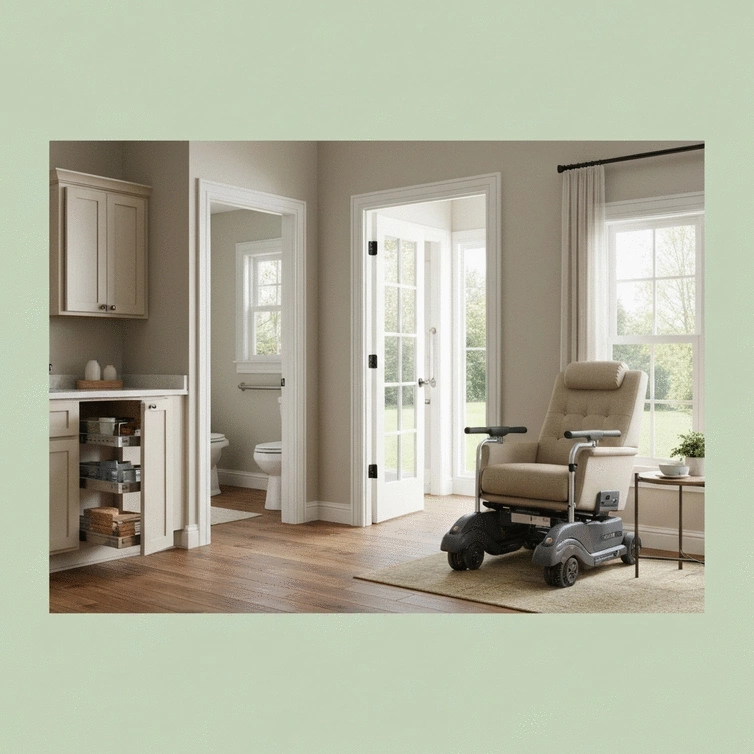
To create a safe haven, it's crucial to address potential fall hazards within your home. Installing grab bars in bathrooms and stairways can provide necessary support. Additionally, choosing non-slip flooring helps to minimize the risk of slips and falls. You should also consider widening your doorways to 32-36 inches, making it easier for individuals using mobility aids to navigate the space.
Accessible Bathrooms: Creating Safe Spaces
Your bathroom can be a sanctuary of safety with a few thoughtful upgrades. Features like curbless showers, which eliminate barriers, and shower benches for comfort and safety can make a significant difference. Additionally, opting for raised toilets can enhance accessibility for seniors, ensuring that their daily routines remain as hassle-free as possible.
Mobility Aids: Enhancing Daily Functionality
Mobility aids can greatly enhance independence for aging residents. Consider incorporating stair lifts for multi-level homes and walk-in bathtubs that provide a safe bathing experience. These additions not only support daily routines but also foster a sense of autonomy, which is invaluable.
Universal Design: Making Your Home Stylish and Functional
Embracing Open Floor Plans for Better Mobility
Open floor plans are not just trendy; they promote better mobility within the home. By eliminating unnecessary walls, you can create a spacious and airy environment that feels inviting. Incorporating motion-sensor lighting throughout your home can also enhance safety, ensuring that areas are well-lit when needed.
Avoiding Institutional Looks: Designing with Aesthetics in Mind
When planning renovations, it’s essential to avoid an institutional feel. You can achieve a stylish yet functional space by incorporating design elements that are both practical and visually appealing. Use warm colors, quality materials, and interesting textures to maintain a welcoming atmosphere while ensuring that your home meets accessibility needs.
Room-Specific Upgrades: Tailoring Renovations for Comfort
Kitchen Modifications for Ease of Use
In the kitchen, modifications can significantly enhance accessibility. Features such as pull-out shelves and lower counters allow for easier access to essential items. These adjustments not only make cooking more enjoyable but also reduce the risk of strain or injury.
Entryway Improvements for Safe Access
Your home's entrance sets the tone for safety. Consider making step-free entries that facilitate easy access for everyone. Additionally, installing automatic lighting can ensure that you and your guests never have to navigate dark pathways.
Bathroom Renovation Ideas for Senior Safety
The bathroom requires extra attention when it comes to safety. Essential features like shower seats and strategically placed safety alarms can make a world of difference. These installations cater specifically to seniors' needs, allowing them to maintain their dignity and independence.
Enhancing Resale Value through Thoughtful Renovations
Balancing Comfort with Market Appeal
When considering renovations, it’s vital to balance comfort with market appeal. Stylish adaptations can boost your home’s resale value while enhancing comfort for you. Studies show that well-planned renovations can yield a high return on investment. For instance, updates to kitchens and bathrooms often lead to impressive ROI percentages.
Long-Term Maintenance and Future-Proofing Your Home
Choosing durable materials and integrating smart home technologies can provide long-term benefits. These features not only appeal to a wider audience but also ensure that your home remains functional and stylish for years to come.
Understanding Remodeling Costs and Financial Planning
As with any renovation, understanding the financial aspects is crucial. Budgeting for aging-in-place renovations involves planning for both current needs and potential home equity increases. By carefully assessing your finances, you can make informed decisions that align with your goals.
Pro Tip
When planning your aging-in-place renovations, consider integrating smart home technology. Features such as automated lighting and smart thermostats not only enhance safety and comfort but also improve energy efficiency, making your home more appealing to future buyers.
Frequently Asked Questions About Aging-in-Place Renovations
What does "aging-in-place" mean?
Aging-in-place refers to the concept of modifying your home to ensure long-term comfort, safety, and independence as you grow older. It involves planning renovations that adapt your living space to meet evolving needs.
What are some essential features for fall prevention?
Key features for fall prevention include installing grab bars in bathrooms and stairways, choosing non-slip flooring, and widening doorways to accommodate mobility aids.
How can I make my bathroom more accessible?
To enhance bathroom accessibility, consider installing curbless showers, shower benches, and raised toilets. These features remove barriers and improve safety for daily routines.
Are open floor plans beneficial for aging-in-place?
Yes, open floor plans promote better mobility by eliminating unnecessary walls, creating a spacious and airy environment. They also allow for easier navigation with mobility aids.
How can I ensure my renovations don't make my home look institutional?
To avoid an institutional look, focus on integrating practical features with aesthetic appeal. Use warm colors, quality materials, and interesting textures to create a welcoming and stylish atmosphere.
What are the benefits of hiring a Certified Aging-in-Place Specialist (CAPS)?
Hiring a CAPS specialist provides personalized assessments, expert recommendations tailored to your needs, access to trusted contractors, and guidance on local building codes, ensuring practical and stylish updates.
Conclusion: Planning Your Aging-in-Place Renovation
As we’ve explored throughout this article, creating a home that supports aging in place is not just about making changes—it's about empowering yourself and your loved ones with long-term comfort and safety. From essential safety features to aesthetic upgrades, each renovation adds significant value to your living space. By prioritizing these elements, you can ensure that your home remains a welcoming sanctuary for years to come.
Planning ahead is crucial for aging-in-place renovations. Think about how your needs might evolve over time and make renovations that accommodate both your current lifestyle and future requirements. A little foresight now can lead to greater ease and independence later!
Taking Action: Hire a CAPS Specialist for Expert Guidance
Considering a Certified Aging-in-Place Specialist (CAPS) can be a game-changer in your renovation journey. These experts have the training and experience to help you navigate the various aspects of aging-in-place renovations, ensuring that your updates are both practical and stylish. Here are some benefits of hiring a CAPS specialist:
Personalized assessments of your home’s current layout and features
Expert recommendations tailored to your specific needs
Access to a network of trusted contractors and suppliers
Guidance on local building codes and regulations
By teaming up with a CAPS specialist, you can confidently transform your home into a space that reflects your lifestyle while enhancing its long-term value. It’s a thoughtful investment that pays off in comfort and security!
Engage with Us: Share Your Renovation Experiences
Now that you’re equipped with insights on aging-in-place renovations, we invite you to become part of our community here at The Homeowner's Compass. Have you undertaken any renovations to accommodate aging family members? What challenges and successes have you experienced? Sharing your stories can help others in similar situations, fostering a supportive environment for homeowners facing these important decisions.
Feel free to leave a comment or ask questions below! Your input not only enriches our discussions but also helps fellow homeowners create safer, more comfortable living spaces. Together, we can navigate the complexities of homeownership and create homes that truly feel like sanctuaries!
Recap of Key Points
Here is a quick recap of the important points discussed in the article:
Aging-in-place renovations enhance safety, comfort, and accessibility for homeowners.
Key features include wider doorways, non-slip flooring, and strategic grab bar placements.
Accessible bathrooms with curbless showers and raised toilets significantly improve daily routines.
Mobility aids, such as stair lifts and walk-in bathtubs, foster independence for aging residents.
Open floor plans and thoughtful design prevent an institutional feel while promoting mobility.
Kitchen modifications like pull-out shelves enhance ease of use and accessibility.
Planning renovations with future needs in mind can lead to greater ease and independence.
Hiring a Certified Aging-in-Place Specialist (CAPS) can provide personalized guidance and expertise.
At The Homeowner's Compass, we are dedicated to empowering families and downsizers with practical homeownership solutions. Our mission is to provide clear, actionable advice and foster financial literacy for making smart investments in your living space.




Understanding Pointcloud 3D Data
Site Measuring for Architects Explained
Understanding LiDAR Technology Basics
Understanding Production Layout Basics
Capturing Real Estate Through Video