
$
Lower Energy Costs & Long-Term Savings
Significant reduction in monthly utility bills, leading to substantial savings over time.
Learn More →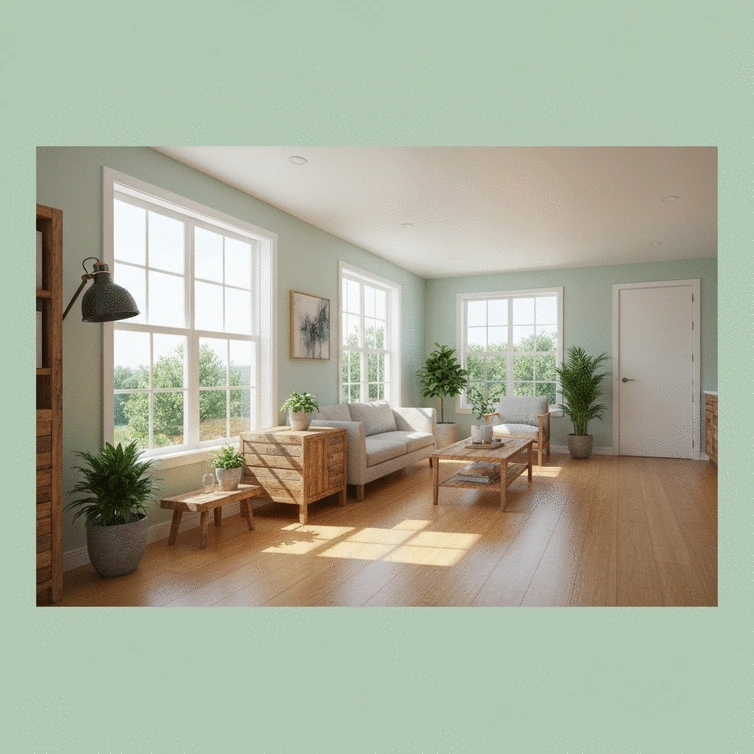
As you consider the path to a more sustainable living space, think about the profound impact that eco-friendly renovations can have on your home and the planet. What if your next home improvement project not only elevated your living environment but also contributed positively to the ecosystem? Here’s a look at the transformative power of green upgrades.
Eco-friendly renovations offer multiple advantages for homeowners, from immediate savings to long-term value. Below, we highlight the core benefits and how they contribute to a more sustainable and valuable home.
Significant reduction in monthly utility bills, leading to substantial savings over time.
Learn More →Sustainable features make your property highly attractive to environmentally conscious buyers.
Discover How →Improved indoor air quality and overall comfort for your family through eco-friendly materials.
Explore Options →Potential eligibility for tax credits and rebates, further enhancing your ROI.
Check Eligibility →As a passionate advocate for homeownership, I believe that eco-friendly renovations are not just a trend—they're a vital part of responsible homeownership. Many homeowners often ask themselves, "How can I improve my home while also being kinder to the planet?" This is where embracing sustainable renovation ideas comes in! Selecting environmentally-friendly options can lead to significant energy savings and even enhance the value of your home.
Choosing eco-friendly renovations means making a conscious decision to create a healthier living environment for your family and future generations. Whether you are looking to lower utility bills or simply make your home more comfortable, green renovations offer numerous advantages that align with our mission at The Homeowner's Compass: to provide clear, actionable advice for families and downsizers.
There are several compelling reasons to consider eco-friendly renovations. Firstly, they often lead to lower energy costs. By utilizing energy-efficient solutions, you can significantly reduce your monthly bills. Additionally, these projects can improve the overall comfort of your living space, making it a more enjoyable place for your family!
When you opt for sustainable solutions, you're not just saving money—you’re also contributing to the environment. This is a win-win for both your family and the planet, which is why I encourage all homeowners to explore these options!
Investing in eco-friendly renovations can substantially boost your home’s market value. In today's real estate landscape, environmentally conscious buyers are actively seeking homes that offer energy efficiency and sustainability. By integrating features like solar panels, smart thermostats, and energy-efficient appliances, you’re making your property more appealing in a competitive market.
Ultimately, making these eco-friendly renovations not only aligns with sustainable living practices but also serves as a smart investment for your family's future. It's amazing how small changes can lead to significant benefits!
As you consider renovating your home, we want to know: What eco-friendly feature excites you the most? Choose one of the options below:
Eco-friendly renovations offer numerous benefits, including lower energy costs, increased home value, healthier indoor living spaces due to improved air quality, and eligibility for various tax incentives and government programs.
They can significantly reduce monthly utility bills through the installation of energy-efficient solutions like better insulation, energy-efficient windows, solar panels, and smart thermostats. Over time, these savings can offset the initial investment.
Yes, homes with sustainable features and green certifications are highly attractive to environmentally conscious buyers and often command higher resale values in the market. The 2023 Global Status Report for Buildings and Construction highlights the growing demand for sustainable building practices, which directly impacts property valuations.
Many governments offer tax credits, rebates, and other programs to encourage homeowners to invest in eco-friendly upgrades. For example, the Federal Sustainability Plan outlines federal initiatives that can influence local programs. It's advisable to check with local and federal authorities, as well as utility companies, for available incentives.
Examples include installing solar panels, upgrading to energy-efficient windows and insulation, using low-VOC paints, incorporating smart home technology like smart thermostats, and choosing sustainable building materials such as recycled content drywall or bamboo flooring. For instance, New York's Decarbonization and Climate Resiliency Design Guide provides comprehensive guidance on sustainable practices.
As we wrap up our discussion on eco-friendly renovations, it's essential to emphasize how these upgrades can transform your home while also benefiting the environment. At The Homeowner's Compass, I believe that investing in eco-friendly renovations is not just about immediate savings; it’s about a long-term commitment to sustainability and comfort. By choosing green options, you’re not only enhancing your living space but also contributing positively to the planet!
When considering your renovations, remember that the balance between financial investment and energy savings is key. Here are some significant factors to keep in mind:
Encouraging sustainable practices in home renovation is a journey worth embarking on! Each step you take not only makes a difference in your own home but can also inspire your neighbors and community to follow suit. Here are some practical ways to promote sustainability:
By actively sharing your journey, you can create a ripple effect that encourages wider adoption of sustainable practices. Every little effort counts!
Ready to take that exciting step toward your eco-friendly renovation? Planning is crucial! Start by evaluating your current space and identifying areas for improvement. Make a list of features you'd like to upgrade, and prioritize them based on impact and budget. Here are some steps to get you started:
Taking these initial steps will help you create a clear roadmap for your project, allowing you to tackle your renovations with confidence.
To ensure you’re making the best choices for your home, I encourage you to explore various resources available. Here are a few that I’ve found particularly helpful:
Utilizing these resources can provide valuable insights and financial assistance, making your journey to sustainability smoother!
Lastly, understanding green building certifications can be a game-changer for your renovation project. These certifications offer guidelines and standards for eco-friendly building practices. Here are a few key certifications to consider:
By pursuing these certifications, you not only enhance your home's credibility but also boost its marketability. It’s a fantastic way to showcase your commitment to sustainability!
Here is a quick recap of the important points discussed in the article:
Understanding Pointcloud 3D Data

As 3D technology reshapes our understanding of physical spaces, mastering 3D point cloud data is mor
Site Measuring for Architects Explained
What if the success of your architectural project hinged on a simple yet crucial step? Site measurem
Understanding LiDAR Technology Basics

Curious about how technology is reshaping our understanding of the environment and our homes? LiDAR,
Understanding Pointcloud 3D Data
Site Measuring for Architects Explained
Understanding LiDAR Technology Basics
Understanding Production Layout Basics
Capturing Real Estate Through Video